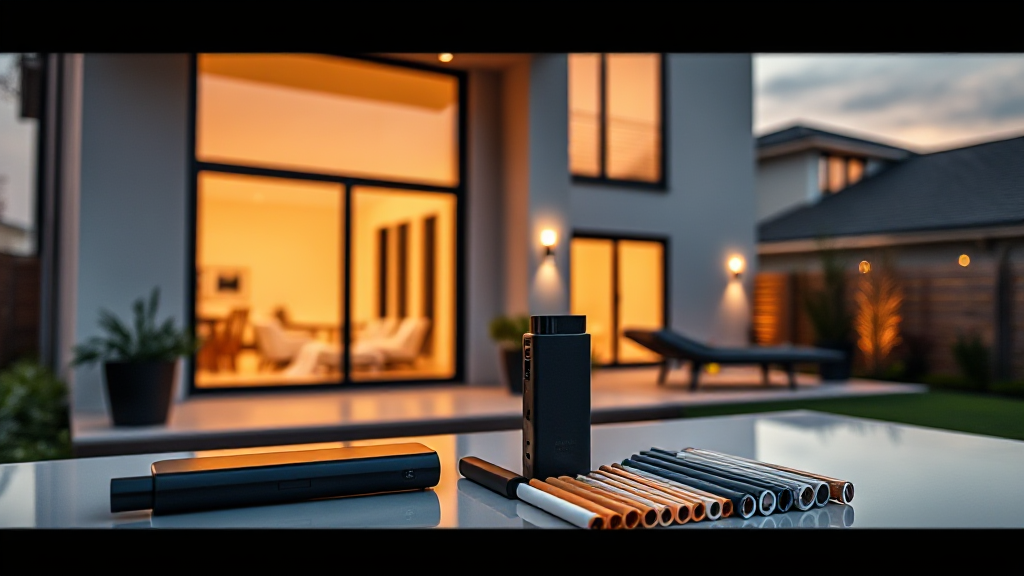
A Tidy Home Setup for Heated Tobacco Sticks and Devices
Half-open stick packs scattered across the kitchen counter. A device resting on the windowsill, another in a jacket pocket, a third somewhere under a pile of mail. If you use heated tobacco regularly, you know how quickly the small items multiply and how fast a relaxed habit turns into household clutter. The good news is that it takes very little effort to fix. A simple storage routine — one drawer, one tray, one consistent spot — keeps your device clean, your sticks fresh, and your surfaces clear. This guide walks you through that routine step by step, with a focus on practical, everyday order rather than complicated systems.
Why Stick Storage Deserves Its Own Routine
Heated tobacco sticks are not the kind of thing you can leave lying around indefinitely. Once a pack is opened, the sticks are exposed to air, light and whatever humidity your kitchen or living room happens to hold. Over a few days, that exposure can dull the flavour and leave you with a pack that feels stale before you reach the last stick. Keeping opened packs sealed and stored in a consistent place solves most of this problem without any special equipment.
The same logic applies to your device. A heat-not-burn device that lives on a crowded counter collects dust, gets knocked over, and occasionally disappears under a newspaper. A dedicated home for it — even a small one — means you always know where it is and it stays in better condition. If you are new to the category and still deciding what to keep on hand, it helps to start with a clear overview of LEVIA tobacco-free sticks so you can plan your storage around the pack sizes and formats you actually use.
Step 1: Choose One Dedicated Home for Everything
The single most effective change is to pick one location for all heated tobacco items and stick to it. This does not need to be elaborate. A shallow drawer in a sideboard, a shelf in a hallway cupboard, or a small lidded box on a stable surface all work well. The key is consistency: every time you finish a session, the device goes back to that spot, and every new pack goes into the same drawer or box.
When choosing the location, think about three things. First, keep it away from direct sunlight and heat sources such as radiators or hobs, because warmth and light are the main enemies of freshness. Second, make sure it is out of reach of children and pets. Third, pick somewhere convenient enough that you will actually use it — a storage spot that requires moving furniture will be abandoned within a week. A drawer at waist height near where you usually sit is ideal.
Step 2: Separate Opened Packs from Sealed Stock
Mixing opened and unopened packs in the same pile is the fastest route back to clutter. Instead, divide your storage into two zones: a small “current” area for the pack you are using right now, and a larger “stock” area for sealed packs. The current pack can sit in a small tray or a dedicated corner of the drawer, while sealed packs stack neatly behind or beside it.
This separation also helps with freshness. Opened packs should be resealed after each use — most packs have a fold-over or resealable flap, and a simple elastic band or small clip works if yours does not. Sealed packs stay sealed until you are ready to rotate them in. If you buy in larger quantities to reduce repeat orders, rotate older packs to the front so nothing sits forgotten at the back of the drawer for months.
Step 3: Give the Device a Fixed Resting Place
Your heating device deserves better than a random spot on the counter. A small tray, a shallow dish, or a dedicated section of the drawer gives it a permanent home and protects it from knocks. Choose a surface that is flat and stable, and avoid placing it anywhere it could be pulled down by a cable or knocked by a passing elbow.
Part of a good device routine is a quick daily clean. Before the device goes back to its resting place, wipe the heating chamber and the exterior with a dry cloth or the cleaning tool that came with it. This takes less than a minute and prevents residue build-up that can affect performance over time. If you use a carrying case when you are out, empty it when you get home rather than leaving the device inside — that way the case stays clean and the device returns to its proper spot.
Step 4: Control Moisture, Light and Temperature
Freshness is mostly about the environment. Sticks stored in a warm, humid kitchen will lose their edge faster than sticks kept in a cool, dry cupboard. Aim for a storage spot that stays at a stable room temperature and is away from steam, direct sun and strong odours. A closed drawer or a lidded box in an interior cupboard is usually better than an open shelf next to a window.
If your home is particularly humid, a small silica gel packet in the storage box can help absorb excess moisture. Replace it every few months, and keep it out of direct contact with the sticks themselves. Avoid storing packs in the fridge or freezer — the condensation that forms when you take them out can do more harm than good. A simple, dry, dark spot is all you need.
Step 5: Build a Five-Minute Weekly Reset
Even a good system drifts. Set aside five minutes once a week to reset your storage area. Throw away empty packs, return stray sticks to their proper pack, wipe down the tray, and check that the device is clean and charged. This small habit prevents the slow accumulation of clutter that makes storage feel like a chore.
Use the same weekly moment to check your stock levels. If you are running low on your usual packs, place an order before you run out rather than making a rushed purchase later. Keeping a modest buffer of sealed packs means you are never caught short, and it makes the whole routine feel calmer. If you are exploring different options within the tobacco-free range, it can help to compare formats and pack sizes in one place so your storage plan matches what you actually buy.
Your Closing Checklist for a Tidy Setup
Before you finish, run through this short checklist to make sure your setup is complete. One dedicated storage location, away from heat, light and moisture. A clear division between the open pack you are using and your sealed stock. A fixed resting place for the device, with a quick clean before it goes back. A weekly five-minute reset to clear empties and check stock. And a simple rule for the household: everything returns to its spot at the end of a session.
None of this requires special products or a big reorganise. It is just a handful of small habits that keep your heated tobacco items tidy, fresh and easy to find. Once the routine is in place, the kitchen counter stays clear, the drawer stays orderly, and you spend less time searching for a device or a pack — which is exactly what a well-organised home should feel like.